
Jewelry Guides
September Birthstone Guide: All About Sapphire | Monarch Jewelry
Published: Sep 10, 2026
September Birthstone Spotlight: Why Sapphire Is More Than Just Blue
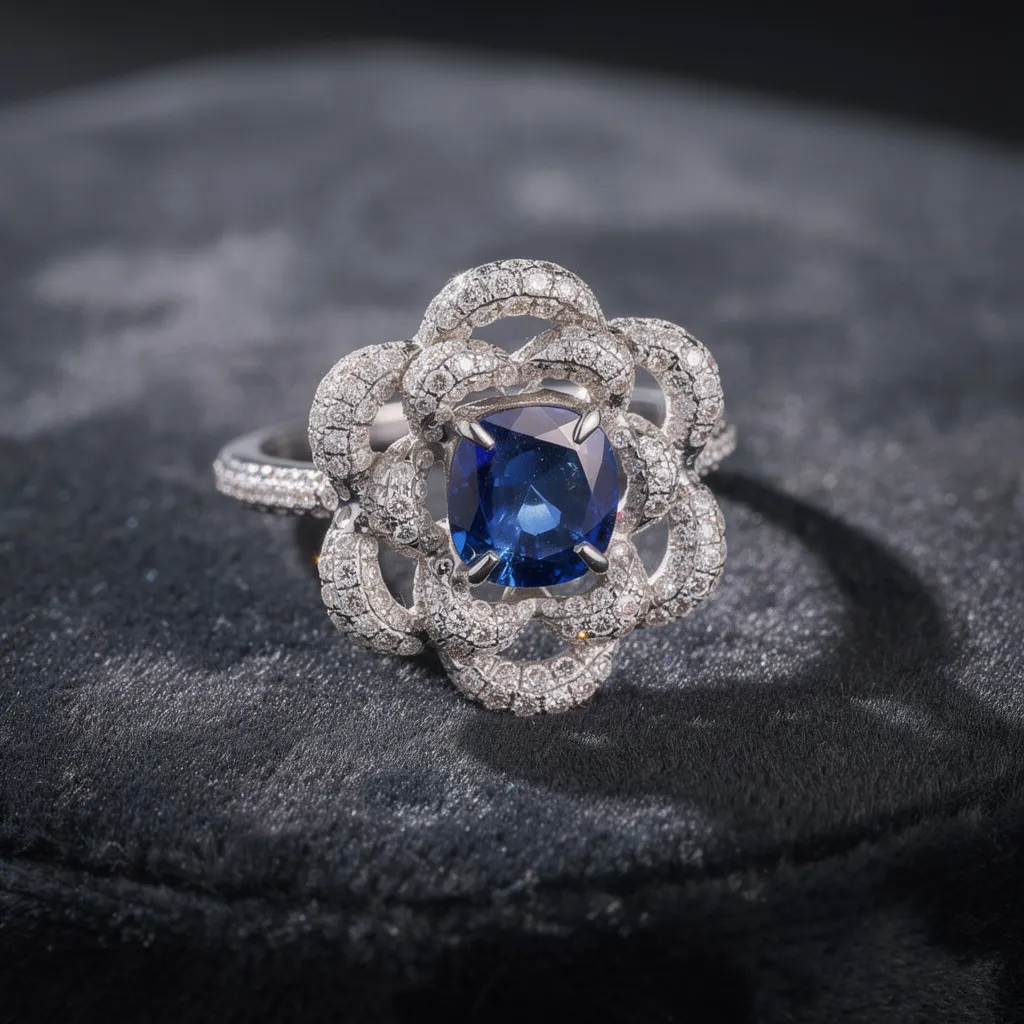
Ask someone to picture a sapphire and chances are they're imagining one color: that unmistakable, deep blue.
There's a reason for it. Blue sapphire is one of the most recognizable gemstones in the world and has been worn in jewelry for centuries.
But sapphire has a few surprises.
For September birthdays—or anyone who simply loves colored gemstones—there's much more to this stone than its famous shade of blue.
Sapphires Come in a Rainbow of Colors
Sapphire belongs to the corundum mineral family, and while blue is its most famous color, sapphires naturally occur in an incredible range of shades.
You can find sapphires in pink, yellow, green, purple, orange, white and even combinations of colors.
These are often referred to as fancy sapphires, and they're one of our favorite ways to show someone just how different two pieces featuring the “same” gemstone can look.
There's even a particularly sought-after variety known as padparadscha sapphire, prized for its unusual blend of pink and orange tones.
And here's a fun gemology fact: ruby and sapphire are actually varieties of the same mineral, corundum. When corundum is red, we call it ruby. Other gem-quality colors fall into the sapphire family.
Why Are Blue Sapphires So Popular?
Color is everything when it comes to sapphire.
Blue sapphires can range from lighter, softer blues to rich royal and velvety shades. Their appearance can also vary depending on where they're from, how they're cut and whether they've been treated.
That's part of what makes shopping for sapphire different from simply choosing a gemstone based on a number on a grading report.
Two sapphires with similar measurements can have completely different personalities when they're sitting next to each other.
Sometimes you simply know which one you like when you see it.
They're Beautiful—and Practical
Sapphire isn't only popular because of its color.
It's also an exceptionally durable gemstone, ranking 9 on the Mohs scale of hardness, second only to diamond.
That durability makes sapphire a great choice for jewelry that's worn frequently, including rings and even engagement rings.
It's one reason sapphires have remained popular across generations. A well-cared-for sapphire can be worn, passed down and worn all over again.
Sapphire Engagement Rings Aren't Exactly a New Trend
Colored gemstone engagement rings may feel like an alternative to the traditional diamond, but sapphires have been used in engagement and wedding jewelry for centuries.
Their durability makes them practical enough for everyday wear, while the variety in color allows for a ring that feels distinctly personal.
Sapphires also pair beautifully with diamonds, whether that's a sapphire center stone surrounded by a diamond halo, side stones, or a completely custom design.
And if traditional blue isn't your style? A pink, yellow or other fancy-colored sapphire can completely change the look.
Vintage Sapphires Have a Personality of Their Own
Sapphire also has a long history in antique and vintage jewelry, which means we regularly see the gemstone appear in estate pieces with beautiful old-world details.
Different eras used sapphires in different ways—from ornate settings and diamond accents to striking Art Deco combinations.
For someone who loves jewelry with history, an estate sapphire can offer something a newly manufactured piece simply can't replicate: a story that started long before it reached you.
Choosing Your Sapphire
There isn't one “perfect” sapphire.
One person may fall in love with a rich royal blue while another prefers a lighter stone. Someone else may walk right past every blue sapphire in the case and head directly toward the pink ones.
That's exactly why colored gemstones are so much fun.
If you're celebrating a September birthday, considering a sapphire engagement ring, looking for a vintage piece or thinking about creating something completely custom, come see the sapphires in person.
Sometimes the best way to choose a gemstone isn't to read about it.
It's to put a few on your hand and see which one you don't want to take off.
Ask someone to picture a sapphire and chances are they're imagining one color: that unmistakable, deep blue.
There's a reason for it. Blue sapphire is one of the most recognizable gemstones in the world and has been worn in jewelry for centuries.
But sapphire has a few surprises.
For September birthdays—or anyone who simply loves colored gemstones—there's much more to this stone than its famous shade of blue.
Sapphires Come in a Rainbow of Colors
Sapphire belongs to the corundum mineral family, and while blue is its most famous color, sapphires naturally occur in an incredible range of shades.
You can find sapphires in pink, yellow, green, purple, orange, white and even combinations of colors.
These are often referred to as fancy sapphires, and they're one of our favorite ways to show someone just how different two pieces featuring the “same” gemstone can look.
There's even a particularly sought-after variety known as padparadscha sapphire, prized for its unusual blend of pink and orange tones.
And here's a fun gemology fact: ruby and sapphire are actually varieties of the same mineral, corundum. When corundum is red, we call it ruby. Other gem-quality colors fall into the sapphire family.
Why Are Blue Sapphires So Popular?
Color is everything when it comes to sapphire.
Blue sapphires can range from lighter, softer blues to rich royal and velvety shades. Their appearance can also vary depending on where they're from, how they're cut and whether they've been treated.
That's part of what makes shopping for sapphire different from simply choosing a gemstone based on a number on a grading report.
Two sapphires with similar measurements can have completely different personalities when they're sitting next to each other.
Sometimes you simply know which one you like when you see it.
They're Beautiful—and Practical
Sapphire isn't only popular because of its color.
It's also an exceptionally durable gemstone, ranking 9 on the Mohs scale of hardness, second only to diamond.
That durability makes sapphire a great choice for jewelry that's worn frequently, including rings and even engagement rings.
It's one reason sapphires have remained popular across generations. A well-cared-for sapphire can be worn, passed down and worn all over again.
Sapphire Engagement Rings Aren't Exactly a New Trend
Colored gemstone engagement rings may feel like an alternative to the traditional diamond, but sapphires have been used in engagement and wedding jewelry for centuries.
Their durability makes them practical enough for everyday wear, while the variety in color allows for a ring that feels distinctly personal.
Sapphires also pair beautifully with diamonds, whether that's a sapphire center stone surrounded by a diamond halo, side stones, or a completely custom design.
And if traditional blue isn't your style? A pink, yellow or other fancy-colored sapphire can completely change the look.
Vintage Sapphires Have a Personality of Their Own
Sapphire also has a long history in antique and vintage jewelry, which means we regularly see the gemstone appear in estate pieces with beautiful old-world details.
Different eras used sapphires in different ways—from ornate settings and diamond accents to striking Art Deco combinations.
For someone who loves jewelry with history, an estate sapphire can offer something a newly manufactured piece simply can't replicate: a story that started long before it reached you.
Choosing Your Sapphire
There isn't one “perfect” sapphire.
One person may fall in love with a rich royal blue while another prefers a lighter stone. Someone else may walk right past every blue sapphire in the case and head directly toward the pink ones.
That's exactly why colored gemstones are so much fun.
If you're celebrating a September birthday, considering a sapphire engagement ring, looking for a vintage piece or thinking about creating something completely custom, come see the sapphires in person.
Sometimes the best way to choose a gemstone isn't to read about it.
It's to put a few on your hand and see which one you don't want to take off.